
Cremation has become a preferred choice for many families seeking a respectful, cost-effective, and environmentally conscious alternative to traditional burials. The method involves the use of controlled high temperatures to return the body to bone fragments, which are later processed into fine ashes. Understanding the process and available options allows loved ones to make informed and meaningful end-of-life decisions.
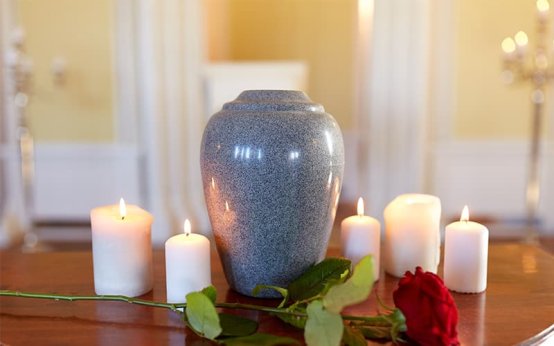
How the Cremation Process Works
The cremation process is carefully managed to ensure dignity and compliance with legal standards. It begins with identity verification and the completion of all official paperwork, such as permits and family authorizations. The deceased is then placed in a simple combustible casket or container, with any personal items or medical devices removed for safety.
The cremation itself takes place in a chamber known as a retort, operating between 1,400 and 1,800°F. The entire procedure, including the cooling period, typically spans two to three hours. Once completed, the remains are processed into ashes and placed in a chosen urn.
Cremation Costs and Available Options
The price of cremation depends on the level of service selected. A direct cremation — covering only the essentials — ranges from £1,000 to £1,500. Traditional packages that include a ceremony or viewing fall between £2,000 and £3,500, while premium services with customized urns and memorial arrangements may reach £5,000.
Families are encouraged to review the full breakdown of costs and confirm current prices before finalizing arrangements, as regional and provider variations can affect total expenses.
The Meaning of Witness Cremation
Witness cremation offers relatives the chance to be present as the process begins, often serving as a powerful moment of closure. Loved ones may gather in a viewing area to observe or participate in a short ritual before the cremation starts. Many families find comfort in this experience, as it aligns with cultural values and provides an opportunity to honor the deceased in a personal way.
Essential Documents Required
Before cremation can take place, several forms must be completed and submitted, including:
An official death certificate
A signed cremation application
Medical verification from two qualified doctors
Written authorization from next of kin
A coroner’s consent if required
These documents ensure both legal and ethical compliance throughout the process.
Choices for Handling the Ashes
After cremation, families can decide how to keep or distribute the ashes. Options include displaying the urn at home, interring it in a memorial site or columbarium, scattering the ashes in a meaningful location, or incorporating a small portion into keepsake jewelry. Some also opt for eco-friendly scattering ceremonies in natural environments.
Crematoria may offer temporary storage while decisions are made, but families should review local rules before scattering or burial to ensure compliance with environmental and legal guidelines.