
As energy efficiency becomes increasingly important, many homeowners are exploring boiler replacement, with 2025 grants helping offset costs. This article covers available grants, installation steps, and budgeting tips to make an informed decision.
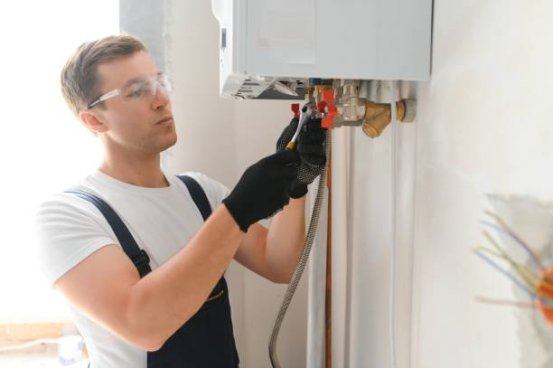
Available Boiler Replacement Grants in 2025
In 2025, several grants aim to encourage homeowners to upgrade to energy-efficient heating systems. The UK government, working with energy providers, offers schemes that reduce the financial burden of boiler replacement, making it more accessible.
Key initiatives include the Energy Company Obligation (ECO) scheme, supporting low-income households and those in fuel poverty, and the Boiler Upgrade Scheme (BUS), which funds low-carbon systems such as heat pumps and biomass boilers as alternatives to traditional gas boilers.
Typical Boiler Replacement Costs
Costs for boiler replacement vary depending on boiler type, installation complexity, and home requirements. On average, new boiler installations range from £2,000 to £5,000:
|
Boiler Type |
Average Cost Range |
|
Combi Boiler |
£1,500 - £3,500 |
|
System Boiler |
£1,800 - £4,000 |
|
Regular Boiler |
£2,000 - £4,500 |
|
Biomass Boiler |
£5,000 - £15,000 |
|
Air Source Heat Pump |
£6,000 - £18,000 |
While initial costs can be significant, energy-efficient boilers often yield long-term savings on utility bills.
The Boiler Replacement Process
Installation begins with an assessment by a qualified heating engineer to determine the appropriate boiler type and size, considering radiators, hot water demand, and insulation. The process typically includes:
-
Removing the old boiler
-
Installing the new unit and components
-
Flushing the heating system
-
Adding corrosion inhibitor
-
Testing for safety and efficiency
-
Providing documentation and instructions
Installation usually takes one to three days, depending on complexity and any additional work such as pipe upgrades or relocation.
Budgeting for Boiler Replacement
To plan finances effectively, research boiler types, installation costs, and potential extras like system upgrades. Consider:
-
Obtaining multiple quotes
-
Exploring financing options or 0% interest deals
-
Applying for grants and incentives
-
Factoring in energy savings
-
Setting aside a contingency fund
High-quality, efficient boilers may cost more upfront but can deliver long-term savings and comfort.
Key Factors Before Installation
Before proceeding, consider:
-
Energy efficiency: Choose high-efficiency boilers to maximize savings
-
Boiler size/type: Ensure it suits your heating and hot water needs
-
Fuel type: Decide between gas, oil, or renewable options
-
Installation location: Optimize positioning for efficiency
-
Warranty/aftercare: Compare manufacturer and installer services
-
Future-proofing: Select a system adaptable to changing needs
-
Regulatory compliance: Ensure installations meet safety and building regulations
Conclusion
Replacing a boiler is a major investment that requires evaluating grants, costs, installation steps, and other factors. By researching thoroughly and planning wisely, homeowners can enhance heating efficiency, lower energy expenses, and enjoy improved comfort for years.