
Modern healthcare organizations are turning to all-in-one clinical management software to enhance efficiency, lower operational costs, and elevate patient care. These intelligent platforms integrate diverse functions to simplify both clinical and administrative tasks, allowing medical professionals to concentrate on improving treatment outcomes.
Understanding Clinical Management Software
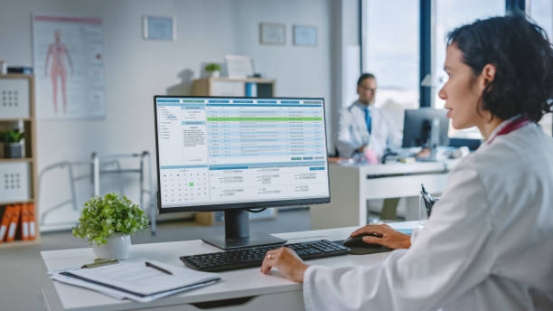
Clinical management software—often referred to as clinical practice management software—is a comprehensive digital tool designed to streamline the everyday operations of hospitals, clinics, and private practices. Its main objective is to solve workflow challenges and strengthen patient care delivery, with customizable features tailored to each facility’s specific requirements.
Electronic Health Records (EHR)
At the heart of most clinical systems lies the Electronic Health Record (EHR), a secure and centralized database that stores vital patient information such as medical histories, test results, diagnoses, and treatment plans. The shift from paper-based files to EHR enhances data accuracy, improves accessibility, and ensures smoother communication among healthcare professionals.
Streamlined Appointment Scheduling
Efficient scheduling tools allow healthcare facilities to manage patient bookings effortlessly. Features such as online scheduling, automated reminders, and real-time calendar syncing minimize appointment conflicts, lower no-show rates, and help optimize staff time.
Inventory and Supply Management
The software also enables precise tracking of medicines, vaccines, and medical supplies. Automated alerts for low inventory or nearing expiration dates prevent shortages and overstocking, ensuring essential resources are always available for patient care.
Billing, Invoicing, and Revenue Management
Integrated billing and financial management modules simplify payment tracking, invoicing, and revenue monitoring. By automating these processes, clinics reduce manual errors, save time, and enhance cash flow efficiency.
Effective Communication Tools
Built-in communication systems strengthen collaboration among staff and foster improved patient engagement. Secure messaging and notifications ensure timely updates and better coordination within the healthcare team.
Advanced Reporting and Analytics
Analytics features provide a clear overview of operational performance, including patient flow, financial trends, and staff productivity. These insights allow clinics to make informed, data-backed decisions and develop targeted strategies for growth and efficiency.
Telemedicine Capabilities
Telehealth integration enables virtual consultations, follow-ups, and patient monitoring, offering flexibility and convenience for both patients and practitioners. It also helps expand access to care for those in remote or underserved regions.
Ensuring Compliance and Proper Record Keeping
Regulatory compliance is a key function of clinical management systems. These tools track controlled substances, maintain accurate documentation, and ensure compliance with healthcare laws and ethical standards, streamlining audit and inspection readiness.
Conclusion
Clinical management software acts as a unified solution for modern healthcare environments, enhancing efficiency, organization, and patient-centered care. By automating routine administrative tasks, it allows medical staff to focus more on patient interaction, ultimately improving satisfaction, treatment quality, and operational success.