
A fast and reliable internet connection is crucial for modern businesses, supporting daily operations, collaboration, and long-term growth while maintaining competitiveness and operational efficiency.
What Business-Grade Internet Offers
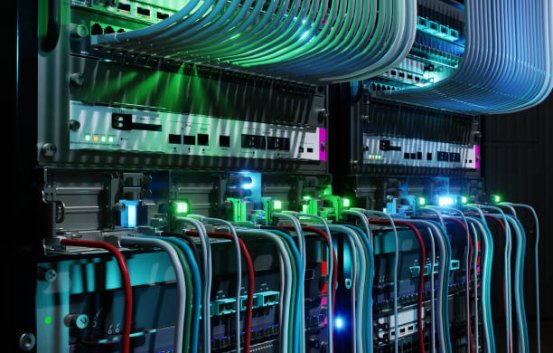
Business internet is specifically designed for professional environments, providing fast and consistent data transfer, advanced security, and high uptime reliability. This type of service is essential for businesses that handle large files, rely on cloud platforms, run continuous online operations, or offer digital services to clients. Unlike residential connections, business-grade internet ensures stable performance even under heavy network loads.
Why Fast Internet Matters
Boosts Productivity
Stable, high-speed connectivity allows employees to work without interruptions, reducing downtime and enhancing overall efficiency. Tasks such as uploading large documents, accessing cloud-based applications, or running software remotely can be completed seamlessly, saving valuable time and resources.
Enhances Collaboration
Robust internet connections support real-time communication tools like video conferencing, VoIP, and collaborative platforms. Teams can work together efficiently across locations, sharing files and information instantly, which is especially critical for remote or hybrid workplaces.
Supports Customer Service
Reliable internet allows businesses to respond promptly to customer inquiries through chat, email, or phone, fostering trust and satisfaction. For companies with online support platforms or e-commerce operations, consistent connectivity is vital to maintaining a professional image and meeting client expectations.
Facilitates Growth
Many business internet plans are scalable, allowing companies to increase bandwidth, accommodate more users, or expand services without interruption. This flexibility ensures that growing businesses can maintain performance as operational demands evolve.
Strengthens Cybersecurity
Business internet plans often include built-in security measures such as firewalls, VPN support, and threat detection to protect sensitive company and customer data. These features help reduce the risk of cyber attacks and ensure compliance with industry regulations.
How to Choose the Right Provider
1. Assess Bandwidth Needs
Consider the number of employees, devices, and applications in use. Companies handling large datasets, multiple cloud-based services, or high-volume digital operations require higher speeds and more reliable connections.
2. Check Reliability
Select providers with strong uptime records and responsive technical support. Even brief outages can be costly, affecting productivity, customer service, and revenue.
3. Evaluate Value Beyond Price
Compare not only monthly fees but also additional benefits such as included hardware, support services, and service guarantees. Value and reliability are often more critical than the lowest cost.
4. Verify Availability
Service coverage can vary depending on geographic location. Use provider lookup tools or contact local offices to confirm that the internet service meets your location and performance requirements.
5. Review Contract Terms
Carefully examine installation fees, equipment charges, early termination penalties, and potential rate increases after promotional periods. Understanding the fine print helps avoid unexpected costs.
Leading Provider Options
|
Provider |
Speed Range |
Data Cap |
Coverage |
|
Frontier Business |
25 Mbps – 1 Gbps |
Unlimited |
Rural + Urban |
|
Spectrum Business |
100 Mbps – 940 Mbps |
None |
Nationwide |
|
Business Internet Spectrum |
Custom Packages |
None |
Regional Variance |
Frequently Asked Questions
Q1: How do I find ISPs near me?
Most providers offer online search tools by ZIP code to verify coverage.
Q2: How does business internet differ from residential service?
Business internet provides stronger reliability, enhanced security, priority support, and scalable performance tailored for professional demands.
Q3: Can my plan grow with my business?
Yes, many providers offer flexible upgrades to increase speed, capacity, or add additional users without disruption.
Q4: Are there hidden costs?
Some plans include installation fees, equipment rental charges, or early termination penalties—carefully review contract terms before committing.
Q5: Why is speed important for remote teams?
Remote staff depend on fast, stable internet to access shared resources, participate in virtual meetings, and maintain productivity without delays.
Why Dependable Internet Matters
Even brief outages during critical events, such as product launches, online promotions, or client presentations, can have significant negative effects. A reliable ISP ensures continuity, minimizes risks, and maintains operational stability.
Benefits for Online Businesses
For e-commerce and digital service providers, uninterrupted connectivity supports order processing, inventory tracking, payment processing, and customer support. This ensures smooth operations, satisfied clients, and uninterrupted revenue streams.
Final Thoughts
Choosing the right internet provider is a long-term business investment. A high-speed, dependable, and scalable connection allows companies to meet current operational needs, improve efficiency, support remote and hybrid teams, and prepare for future growth with confidence.