
HIV, or human immunodeficiency virus, can lead to a severe condition known as acquired immunodeficiency syndrome (AIDS). The virus primarily attacks the immune system by targeting CD4 cells, which play a vital role in defending the body against infections. As HIV progresses, the body becomes more vulnerable to other diseases. Early symptoms may begin within weeks of infection.
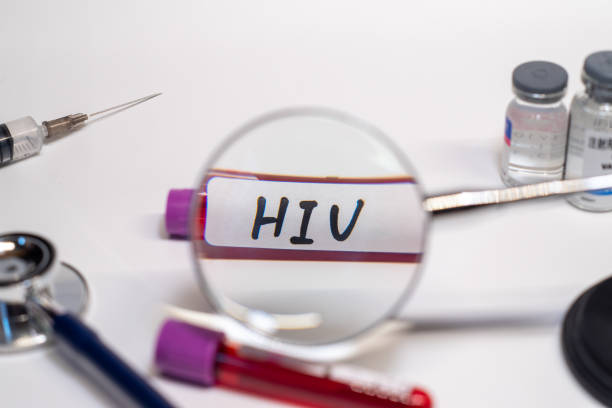
Recognizing the Symptoms of HIV
Initial Symptoms of HIV
The first signs of HIV can manifest within 2 to 4 weeks of exposure and may continue for several weeks. Common symptoms include:
• Fever
• Rash
• Muscle aches, joint pain, headaches
• Swollen lymph nodes
• Sore throat
Symptoms During HIV Latency
After the initial phase, HIV enters the clinical latency stage—also called chronic HIV. This stage may persist for 10 years or longer without treatment. Individuals may experience minimal or no symptoms during this phase. Those receiving proper care can remain in this stage for decades.
Symptoms during this stage may include:
• Occasional fever
• Fatigue
• Digestive issues
• Mild weight loss
• Recurrent infections
Signs of AIDS (Advanced HIV)
Without intervention, HIV typically progresses to AIDS within a decade. Symptoms during this stage are more intense and include:
• Recurrent fevers and night sweats
• Significant weight loss
• Persistent fatigue and diarrhea
• Skin rashes
• Mouth sores
• Swollen lymph nodes
• Pneumonia
• Neurological issues like memory loss and depression
Treatment Strategies for HIV
Why Early Treatment Matters
Starting treatment as soon as HIV is diagnosed is critical. Early action can slow disease progression and improve long-term health outcomes.
Available Treatments
There are over 20 different combinations of antiretroviral drugs used to manage HIV. These medications target various aspects of the virus to prevent drug resistance and maintain effectiveness.
When to Begin Treatment
Treatment should begin promptly, particularly if:
• CD4 count is below 350
• The patient is pregnant
• The person has another infection
• Symptoms are severe
Customizing HIV Treatment
Healthcare providers tailor treatment plans based on the patient's CD4 count and overall health status. The objective is to reduce the viral load and maintain immune function.
Disclaimer
Our content is meant for general educational purposes. While we aim for accuracy, readers should consult healthcare professionals for medical advice. The information provided should not be taken as a substitute for individualized consultation.