
Late payments are a major challenge for small businesses, with over half reporting difficulties collecting invoices on time. Accounts receivable software with built-in payment reminders helps streamline invoicing, reduce overdue balances, and strengthen cash flow. This article explores its benefits, features to consider, implementation strategies, and common mistakes to avoid when adopting this solution.
Understanding Accounts Receivable Software with Payment Reminders
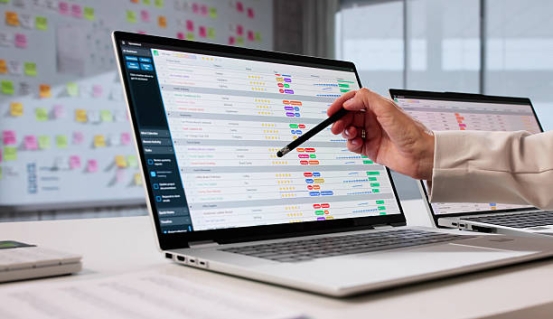
Accounts receivable software helps businesses track outstanding invoices and incoming payments. Its main function is to ensure accurate monitoring of funds owed by customers, which is essential for maintaining strong financial health. When combined with automated reminders, it becomes a tool for proactively communicating with clients about upcoming or overdue bills.
Reminders can be delivered through email or SMS, reducing the likelihood of missed payments. By automating this process, companies save time while maintaining consistent cash inflow. Ultimately, these tools simplify invoicing operations and foster healthier financial management.
Key Benefits of Using Payment Reminder Software
One of the greatest advantages is improved cash flow. With timely reminders, customers are less likely to miss payments, ensuring a steady income stream for covering expenses.
Another benefit is time savings. Instead of manually tracking invoices and following up, employees can focus on higher-value tasks while the software handles repetitive payment notifications.
It also promotes stronger customer relationships. Professional reminders encourage on-time payments without straining business-client interactions. Studies show that companies using automated reminders often experience higher customer satisfaction and loyalty.
Important Features to Consider
When evaluating accounts receivable software, prioritize automation. Look for flexible scheduling options that allow reminders to be sent at different intervals—immediately after due dates, weekly, or custom settings.
User-friendly interfaces are essential to ease adoption. Integrations with existing accounting or ERP systems ensure smooth functionality and minimize errors.
Advanced reporting and analytics should provide insights into overdue accounts, payment trends, and cash flow projections. Strong customer support from the software provider is also vital for resolving technical challenges quickly.
Selecting the Right Solution
The best software depends on business size and complexity. Smaller companies may only need essential features, while larger firms benefit from more advanced tools.
Budget is another key factor, as most systems operate on a subscription basis. Scalability should also be considered, ensuring the platform can grow alongside your company.
Seek out user reviews and independent comparisons to gauge reliability. Free trials are also useful for testing compatibility with your operations before committing long-term.
Common Mistakes to Avoid
A frequent pitfall is inadequate training. Without proper onboarding, staff may underutilize the system, limiting its benefits. Comprehensive training helps maximize return on investment.
Another mistake is failing to follow through on reminders. Automation works best when alerts are properly configured and consistently monitored.
Errors in customer data can also undermine effectiveness. Keeping records up to date prevents miscommunication and billing issues. Regular audits are essential for accuracy.
Effective Implementation Strategies
Start with a clear plan that defines measurable goals—such as reducing overdue invoices or accelerating cash inflows.
Include stakeholders from finance and operations during the setup to ensure the system fits real-world needs. Establish key performance indicators (KPIs) like collection times or customer response rates to track progress.
Ongoing reviews allow you to refine processes and ensure the software continues to support financial goals.
Final Thoughts
Accounts receivable software with automated payment reminders provides a powerful solution for businesses facing cash flow challenges. It improves efficiency, strengthens customer relationships, and supports sustainable financial management. Choosing the right system, training staff, and avoiding common mistakes are crucial steps toward successful adoption. With proper implementation, businesses can achieve smoother invoicing and healthier cash flow.