
Biopharmaceutical manufacturing is undergoing rapid change, with new methods improving how treatments are designed, produced, and delivered. These innovations are enhancing efficiency, raising product quality, and leading to better health outcomes.
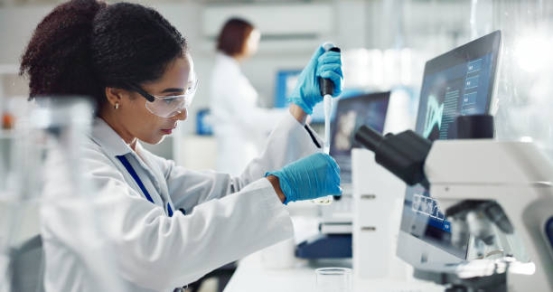
Enhanced Cell Culture Technologies
Recent improvements in cell culture methods have significantly advanced biopharma capabilities. Fed-batch and perfusion systems generate larger yields of biologics with higher purity levels. Adjusting environmental conditions such as pH, nutrients, and temperature allows manufacturers to improve productivity while cutting costs and reducing production time. Continuous processing also supports real-time oversight, delivering efficiency and uniformity that directly benefit patients.
Single-Use Technologies (SUT)
Disposable equipment and single-use bioreactors have become a game-changer for manufacturers. These systems limit contamination risks, eliminate lengthy cleaning requirements, and accelerate setup. They also make small-scale operations possible, reducing capital requirements for new entrants. By enabling rapid scaling and greater flexibility, SUT empowers startups as well as established pharmaceutical firms, contributing to a more dynamic and competitive landscape.
Automation and Artificial Intelligence
Automation and AI are transforming how facilities operate. Smart production platforms rely on AI-driven analytics to interpret vast data sets in real time, optimizing performance and enabling predictive maintenance. Robotics reduce the burden of repetitive work, freeing skilled professionals to focus on high-level analysis. These advancements reduce waste, improve efficiency, and create safer, more reliable processes across the supply chain.
Advances in Quality Control and Assurance
Progress in analytical science has strengthened quality oversight. High-throughput screening, chromatography, and mass spectrometry now allow precise testing and complete product characterization. This ensures compliance with regulatory requirements while guaranteeing consistency and safety. Improved quality assurance builds trust with healthcare professionals and patients, supporting the reliable delivery of biologics.
DNA and RNA Technologies
Integrating DNA and RNA innovations has accelerated therapeutic development. mRNA platforms, widely recognized during the COVID-19 pandemic, enable rapid drug creation and faster production. Gene therapy continues to expand possibilities for previously incurable diseases, moving healthcare closer to personalized treatments tailored to individual needs. These technologies mark a major evolution in modern medicine.
Sustainable Biopharma Practices
Sustainability is becoming central to biopharma production strategies. Companies are investing in renewable energy, conserving water, and minimizing waste. Circular economy initiatives, where production by-products are recycled into new resources, are also being explored. Such measures reduce costs while addressing environmental concerns, improving both efficiency and industry reputation.
Implications for the Industry and Healthcare
Collectively, these advancements are redefining the sector. More efficient, cost-effective, and high-quality processes support a shift toward agile, technology-driven, and patient-centered operations. Patients gain access to safer therapies sooner, while manufacturers benefit from the ability to adapt rapidly to emerging demands.
Looking Ahead
Ongoing progress demonstrates the potential of biopharma to confront pressing global health challenges. Monitoring future developments is critical for stakeholders, as production methods will continue to shape the availability of therapies. Resources from organizations such as the Biotechnology Innovation Organization (BIO) and the International Society for Pharmaceutical Engineering (ISPE) provide valuable perspectives on emerging practices.