
Replacing your garage door can improve curb appeal, energy efficiency, and even increase home value. This guide explains the essentials of garage door replacement, including timing, material choices, costs, installation, maintenance, and selecting the right professional.
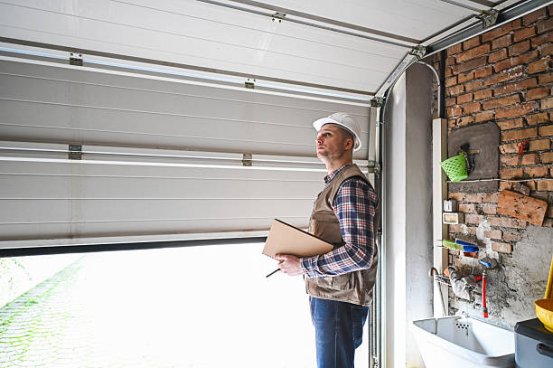
Garage doors may not always be the first improvement homeowners consider, but they play an important role in both style and function. A replacement can transform the appearance of your property while boosting resale potential. This article covers key factors to help homeowners make informed decisions and maximize their investment.
When to replace your garage door
Recognizing the right time for replacement is essential. Common signs include frequent malfunctions, visible wear, and age-related decline. If your garage door is more than 15 years old or requires ongoing repairs, replacement is often more cost-effective. Issues like broken springs, misaligned tracks, or gaps that compromise insulation also suggest it’s time.
Curb appeal is another major factor. A modern, well-designed garage door can make your home stand out and attract buyers if you plan to sell. Additionally, a poorly insulated door may raise energy costs, while a new insulated model can enhance efficiency and save money.
Materials for garage doors
Choosing the right material is critical for durability and style. Wood doors remain popular for their classic look and customization options, though they require frequent upkeep. Fiberglass offers a wood-like appearance without as much maintenance, while also resisting dents and rust.
Steel doors are highly durable and often come with insulation, making them a practical and energy-efficient choice. Vinyl is another resilient material, resistant to rust and dents, with minimal maintenance needs. The best option will depend on your climate, budget, and design preferences.
Costs associated with replacement
Garage door replacement costs vary depending on material, design, and labor. On average, homeowners spend between $700 and $2,500, including installation. Entry-level models are less expensive, while high-end or custom options cost more.
Additional expenses may arise from replacing hardware such as springs or tracks. Incorporating smart features, like app-connected openers, can also add to the cost. Obtaining quotes from multiple contractors ensures you get a competitive price.
The installation process
A typical installation can be completed in a single day. The process begins with removing the old door and assessing the frame’s condition. If repairs are needed, they must be addressed before continuing.
The new panels are then installed from the bottom up, ensuring proper alignment and secure fitting. The opener, springs, and hardware are added last. Because correct installation directly impacts performance and longevity, hiring a professional is strongly recommended.
Maintenance tips for longevity
Consistent upkeep helps extend a garage door’s life. Inspect the door periodically for signs of wear such as frayed cables, rust, or gaps. Clean the surface with mild soap and water to prevent dirt buildup and damage.
Lubricating moving parts, including hinges, rollers, and springs, ensures smoother, quieter operation. Testing the door’s balance regularly is also important, as an unbalanced system can shorten its lifespan. Preventive maintenance reduces the need for costly repairs or early replacement.
Final thoughts
Replacing a garage door may seem overwhelming, but understanding when replacement is necessary, the available materials, associated costs, installation process, and maintenance can simplify the decision. Homeowners should weigh both functional and aesthetic benefits, particularly with resale in mind. With proper planning and quality installation, a new garage door can provide long-lasting security, efficiency, and curb appeal.